


Over 80 percent of american businesses are adopting unified communication systems to keep up with today’s fast-paced demands. As teams spread out across locations and customers expect instant responses, the way organizations manage conversations shapes everything from productivity to reputation. Understanding how business messaging platforms work can help companies choose the best tools to connect their people, protect sensitive data, and improve every interaction.
Key Takeaways
| Point | Details |
|---|---|
| Unified Communication Hub | Business messaging platforms create a centralized communication hub that integrates various channels, enhancing connectivity and productivity. |
| Diverse Messaging Channels | These platforms support verbal, written, and digital communication, allowing organizations to adapt to diverse workplace environments. |
| Advanced Security Measures | Compliance and data protection are critical; businesses must implement robust security protocols to safeguard sensitive information. |
| Cost and Integration Challenges | Organizations should evaluate costs and ensure seamless integration of unified communication systems for successful implementation and scalability. |
Defining Business Messaging Platforms
Business messaging platforms represent sophisticated communication technologies that integrate multiple communication channels into a unified ecosystem. These platforms go far beyond traditional phone systems, offering businesses comprehensive solutions for connecting with customers, teams, and stakeholders across various digital mediums.
Voipcom delivers business VoIP in Elizabeth, CO and VoIP phone service in Queen Creek from local offices. For the rest of the stack, see cloud phone service for Phoenix and Denver businesses.
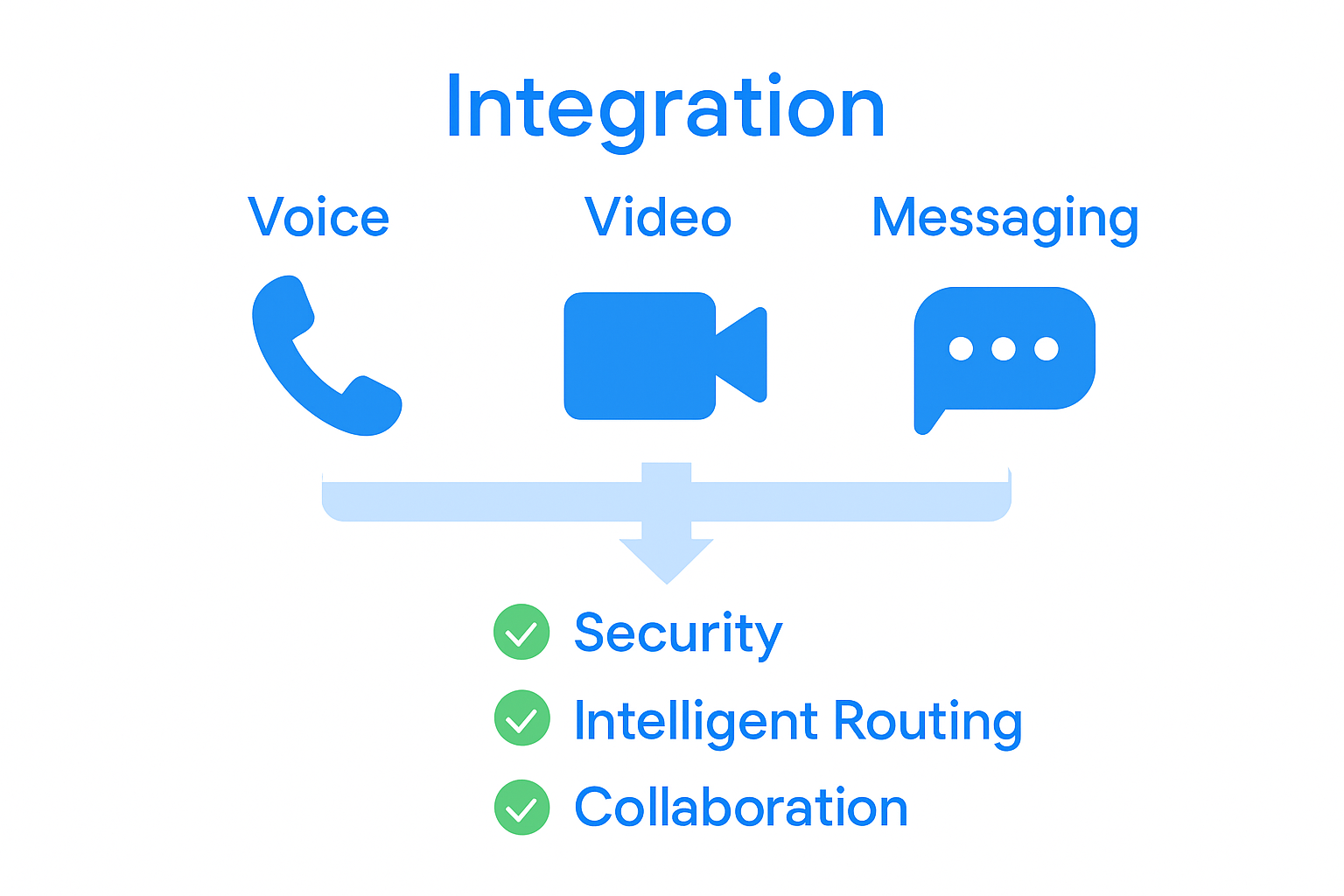
At their core, business messaging platforms leverage unified communications principles, combining multiple communication services into a seamless interface. This integration includes instant messaging, voice calls, video conferencing, SMS, email, and collaborative tools that enable teams to communicate effectively regardless of physical location. The goal is to create a centralized communication hub that simplifies interactions and enhances productivity.
Key components of modern business messaging platforms typically include:
- Real-time messaging capabilities
- Voice and video communication
- SMS and MMS integration
- Unified messaging across multiple channels
- Mobile and desktop accessibility
- Advanced call routing and management
- Integration with existing business software platforms
Businesses today require flexible communication solutions that adapt to rapidly changing work environments. A robust business messaging platform transforms how organizations connect internally and externally, breaking down traditional communication barriers and enabling more dynamic, responsive interactions across teams and customer networks.
Messaging Types and Communication Channels
Business communication has dramatically evolved, transforming how organizations interact internally and externally. Communication channels now encompass a wide range of verbal, written, and digital platforms that enable seamless information exchange across multiple mediums.
Modern business messaging platforms leverage both traditional and digital communication channels, creating a comprehensive communication ecosystem. These channels can be categorized into several key types:
Verbal Channels:
- Voice calls
- Video conferences
- In-person meetings
- Audio messaging
Written Channels:
- SMS and text messaging
- Email communications
- Instant messaging platforms
- Collaborative document sharing
Digital Channels:
- Social media messaging
- Web-based chat systems
- Mobile application communications
- Cloud-based communication tools
The strategic integration of these communication channels allows businesses to create flexible, responsive communication networks that adapt to diverse workplace environments. By understanding and effectively utilizing various messaging types, organizations can enhance collaboration, improve customer engagement, and streamline internal communication processes.
Key Features for Modern Businesses
Modern business messaging platforms have transformed communication strategies through advanced technological features that enable seamless, integrated workflows. These sophisticated systems go beyond traditional communication tools, offering comprehensive solutions that adapt to dynamic business environments.
Core Communication Features:
- Voice and video calling
- Instant messaging
- File sharing capabilities
- Team collaboration tools
- Mobile device integration
The most innovative platforms provide unified messaging systems that consolidate communication channels, allowing businesses to streamline interactions across multiple platforms. This integration means voicemails can be automatically delivered to email inboxes, team members can collaborate in real-time, and communication barriers virtually disappear.

Key technological capabilities that distinguish modern business messaging platforms include intelligent routing, advanced analytics, security protocols, and cross-platform compatibility. By leveraging these features, organizations can enhance productivity, reduce communication friction, and create more responsive, connected workplace ecosystems. The result is a communication infrastructure that supports agile business practices and empowers teams to work more efficiently across diverse geographical and technological landscapes.
Compliance, Security, and Legal Considerations
Unified communications systems introduce complex compliance challenges that require businesses to implement rigorous security protocols and legal safeguards. Organizations must navigate an increasingly sophisticated landscape of regulatory requirements, protecting sensitive data while maintaining seamless communication capabilities.
Critical Compliance Domains:
- HIPAA regulations for healthcare communications
- Financial industry data protection standards
- Attorney-client privileged communication requirements
- Personal data privacy regulations
- Cybersecurity framework adherence
Unified messaging technologies demand comprehensive security strategies that address multiple potential vulnerabilities. Businesses must implement encryption protocols, secure authentication mechanisms, and robust access controls to prevent unauthorized data transmission and potential breaches.
Effective compliance strategies require a multi-layered approach that integrates technological solutions with organizational policies. This includes continuous employee training, regular security audits, real-time monitoring systems, and adaptive risk management frameworks. By prioritizing proactive security measures, organizations can mitigate potential legal risks while maintaining the flexibility and efficiency of modern communication platforms.
Costs, Integration, and Common Challenges
Unified communications systems present complex financial and technological considerations for businesses seeking modern communication solutions. The investment extends beyond initial hardware and software purchases, encompassing comprehensive implementation strategies, ongoing maintenance, and strategic organizational adaptation.
Primary Cost Considerations:
- Initial infrastructure setup
- Software licensing
- Employee training programs
- Technical support and maintenance
- Potential hardware upgrades
Unified messaging technologies demand sophisticated integration approaches that address multiple organizational challenges. Businesses must carefully evaluate existing technological ecosystems, ensuring seamless compatibility and minimizing potential disruptions during implementation.
Successful deployment requires a holistic approach that balances technological capabilities with financial constraints. This involves conducting thorough cost-benefit analyses, identifying potential scalability requirements, and developing flexible implementation strategies that accommodate future growth and technological advancements. Organizations that approach these challenges strategically can transform potential obstacles into opportunities for enhanced communication efficiency and competitive advantage.
Transform Your Business Messaging with Voipcom
The challenges of navigating complex, fragmented business messaging platforms can feel overwhelming. This article highlights the struggle to unify SMS, voice, video, and email into one seamless system while maintaining security and compliance. If you are seeking to eliminate these communication headaches and boost team productivity with flexible, scalable solutions Voipcom is here to help. Our cloud-based phone and messaging services provide real-time collaboration tools, AI-powered calling features, and fully managed setup designed specifically for small to medium businesses adapting to modern workflows.

Don’t let outdated phone systems hold you back. Experience the benefits of integrated messaging and voice solutions that are easy to use and backed by live, local support. Explore how Voipcom’s SMS & MMS services, hosted PBX phone systems, and compliance-ready communications can streamline your business communication infrastructure today. Visit our main site and take control of your communications now.
Frequently Asked Questions
What are business messaging platforms?
Business messaging platforms are sophisticated communication technologies that integrate multiple channels into a unified system, allowing organizations to connect with customers and teams through voice calls, video conferencing, instant messaging, SMS, and more.
What key features should I look for in a business messaging platform?
Look for features such as voice and video calling, instant messaging, file sharing capabilities, team collaboration tools, and mobile device integration to support seamless communication across your organization.
How do compliance and security impact business messaging platforms?
Compliance and security are critical for business messaging platforms, as they involve navigating regulatory requirements and protecting sensitive data. Organizations must implement encryption, authentication, and access controls to maintain secure communication and comply with necessary regulations.
What are some common challenges in implementing business messaging platforms?
Common challenges include managing costs related to infrastructure setup and employee training, ensuring seamless integration with existing technology, and preparing for potential disruptions during implementation. Organizations should conduct thorough evaluations and develop strategic implementation plans to address these challenges.
Recommended
- What Is SMS for Business? Complete Overview – Voipcom
- Business SMS Explained: Key Benefits and Functionality – Voipcom
- Understanding Business SMS vs MMS Communications – Voipcom
- Business Messaging: Navigating Requirements for SMS
Upgrade your phone system: See Voipcom business VoIP & cloud phone systems.